


Irish Christmas Traditions From the Toy Show to Women’s Christmas
There is no single Irish Christmas that every household follows. Irish Christmas traditions range from large public celebrations to intimate home rituals — some rooted in religion, others in local customs, family habits, or more recent ways of spending time together. The festive season spans many days beyond Christmas Day itself, each with its own customs.
Read on to explore older traditions, religious observances, local celebrations, and modern favourites — from the Late Late Toy Show to Nollaig na mBan (Women’s Christmas). Some are shared with other countries; others hold a particularly strong place in Irish life.
Irish Christmas Traditions
| Date | Content |
| Before Christmas | Toy Show night, Advent services, markets and carol singing |
| 8 December | A religious feast day with a historic association with Christmas shopping |
| 24 December | Christmas Eve, associated with the window-candle tradition |
| 25 December | Christmas Day, with gatherings and sea swims in some communities |
| 26 December | St Stephen’s Day, when Wren’s Day celebrations take place in some areas |
| 6 January | Epiphany, also known as Little Christmas or Nollaig na mBan, Women’s Christmas |
Those dates help explain the season’s rhythm; they are not a checklist. Local celebrations, religious observance and family arrangements all vary.
The Late Late Toy Show
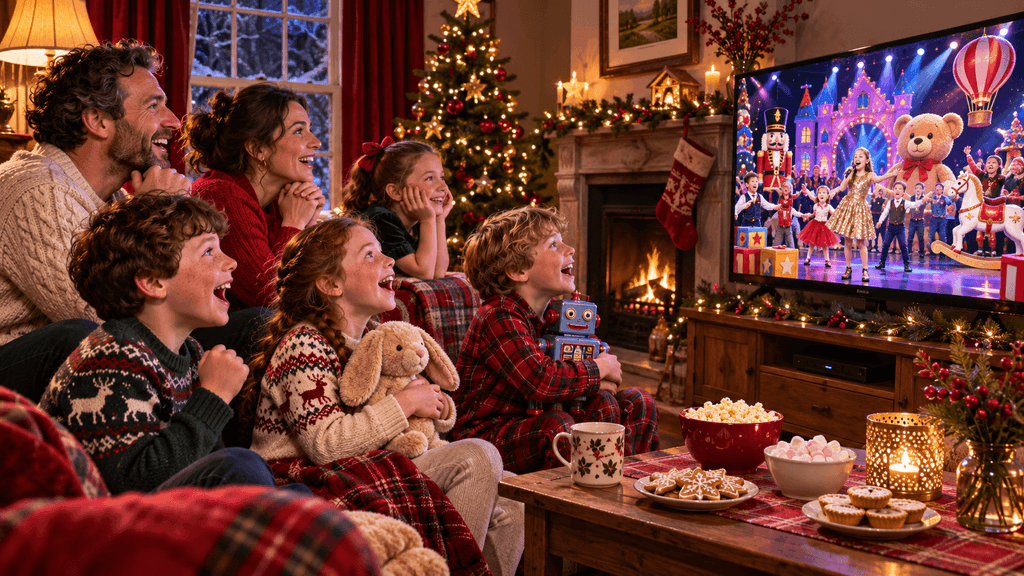
For many viewers, The Late Late Toy Show signals that Christmas is on its way. RTÉ’s account of seasonal traditions recognises its place in the build-up. This is a modern television ritual, with children, toys and performances at its heart, rather than an ancient Irish custom.
Make an evening of it if you enjoy watching: a few treats and company are enough. Check RTÉ’s current schedule rather than assuming it falls on the same date each year. Matching pyjamas are entirely optional.
8 December and the Christmas Shopping Tradition
8 December is the Catholic Feast of the Immaculate Conception. It also has a longstanding association with Christmas shopping, including trips from rural areas into towns and cities. RTÉ’s historical account explains this connection; it should not be presented as the date when everyone in Ireland now starts Christmas.
You may remember a family shopping trip, a look at the window displays or bringing home particular provisions. The memory belongs alongside today’s shopping habits, without a rule that the tree must go up on that date.
Christmas Markets and Carol Singing
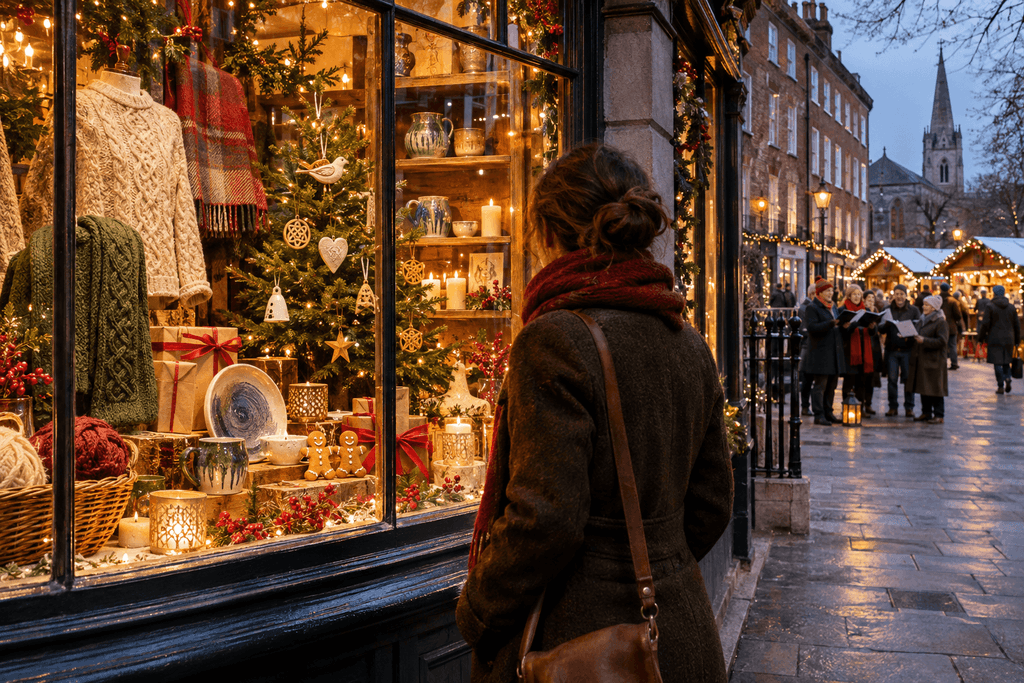
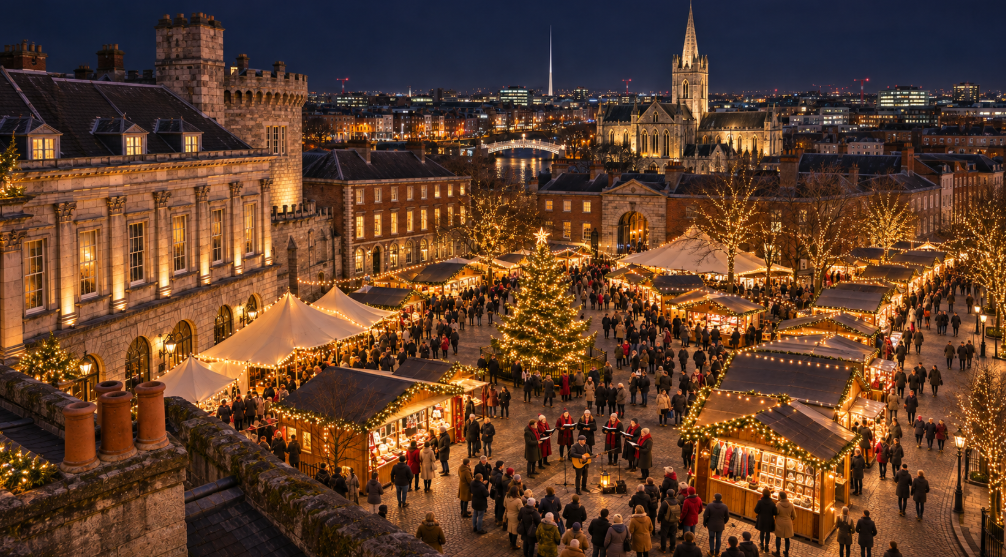
Christmas markets and craft fairs are part of the contemporary festive calendar. Discover Ireland’s market guide brings together events around the country. Enjoying one can become a family ritual, but the familiar alpine-style market should not automatically be described as an ancient Irish tradition.
Carol singing adds another way to gather, in churches and at community events. Saint Patrick’s Cathedral in Dublin, for example, includes carols and seasonal choral services in its Christmas programme. Check the organiser’s information for access and booking arrangements.
A Welcoming Light in the Window
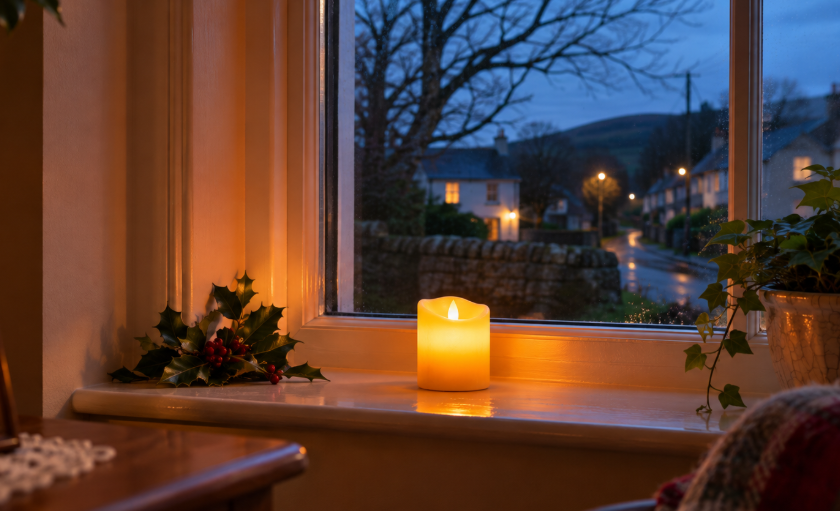
The Christmas Eve candle in the window is one of the customs included in Tourism Ireland’s guide to Irish Christmas traditions. It is associated with welcome, while older Christmas candle customs also carried religious meaning and remembrance. The National Museum of Ireland records different practices, including candles for relatives who had died and a candle on the Christmas-night table.
That distinction matters: the historic record describes several customs, rather than one exact arrangement followed everywhere. A candle you remember from your granny’s house may have had a particular meaning to her, worth asking about before supplying a neat explanation of your own.
For a modern version at home, a flameless LED candle can provide a gentle glow on an indoor windowsill. Keep the sill uncluttered and the light clear of curtains. It can be a quiet moment in an otherwise busy evening, whether you are expecting visitors or remembering someone who is missing.
Holly, Greenery and Decorations With a History
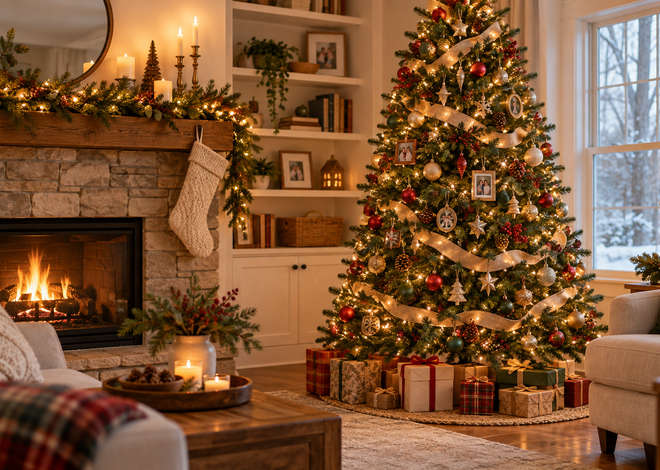
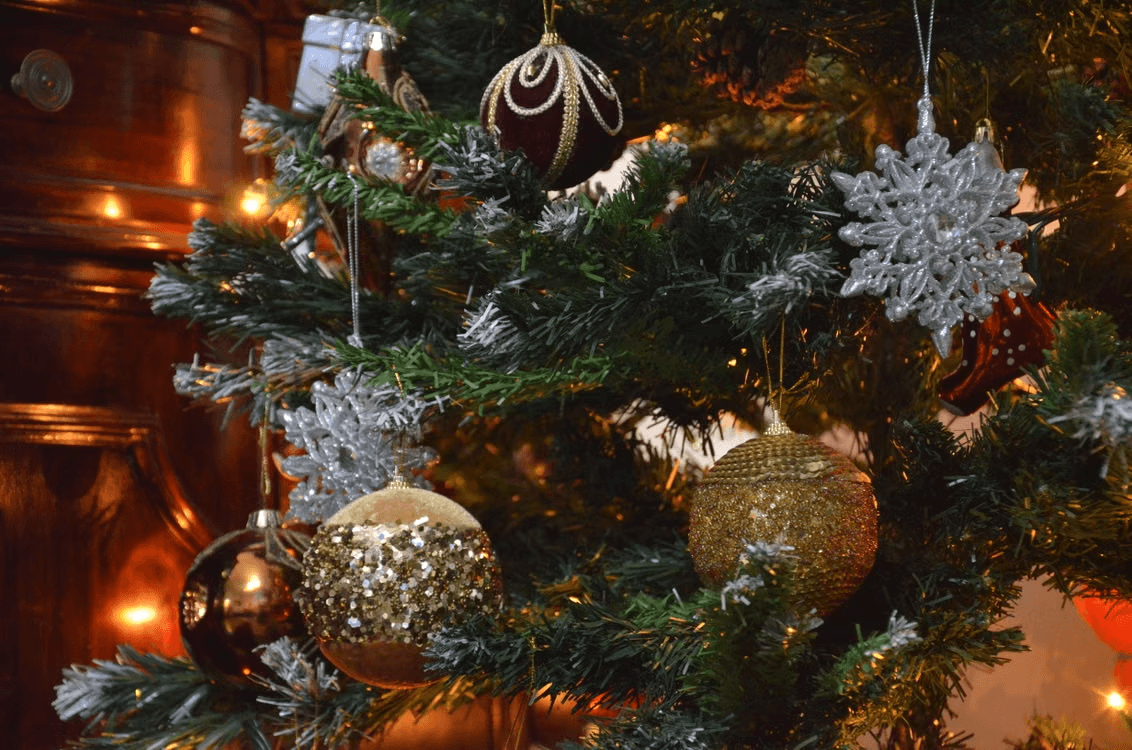
Long before a matching set of baubles was an option, evergreen plants brought colour into winter homes. The National Museum describes decorations made with holly, ivy and laurel, and notes that Christmas trees became widely popular in Ireland from the mid-20th century.
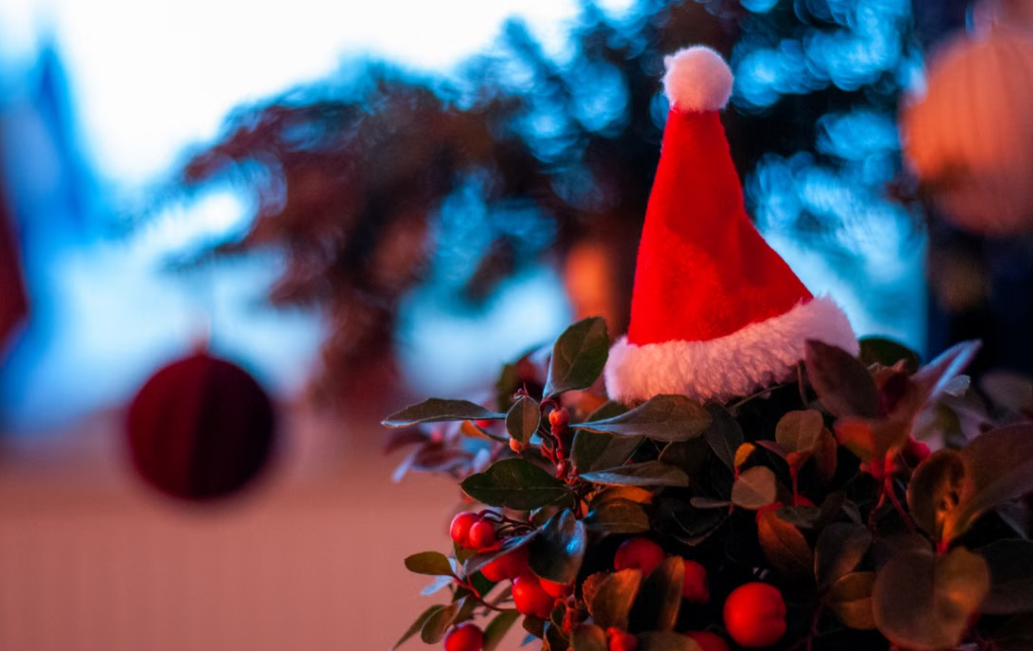
You do not need to recreate an old farmhouse to take something from that history. Refresh an existing wreath, add a red Santa hat to a pot of greenery or give a favourite decoration its usual place. If you are choosing Christmas decorations, start with the space and the pieces you already have.

€19.00
View Product
€36.00
View Product
€29.00
View Product
€18.00
View ProductThere is room for newer keepsakes, too. A child’s handmade star can sit beside photo Christmas ornaments remembering a family gathering or a first Christmas in a new home. These are personal additions to your own celebration, rather than historic customs. The tree does not have to look as though nobody lives there.
Midnight Mass and the Christmas Crib
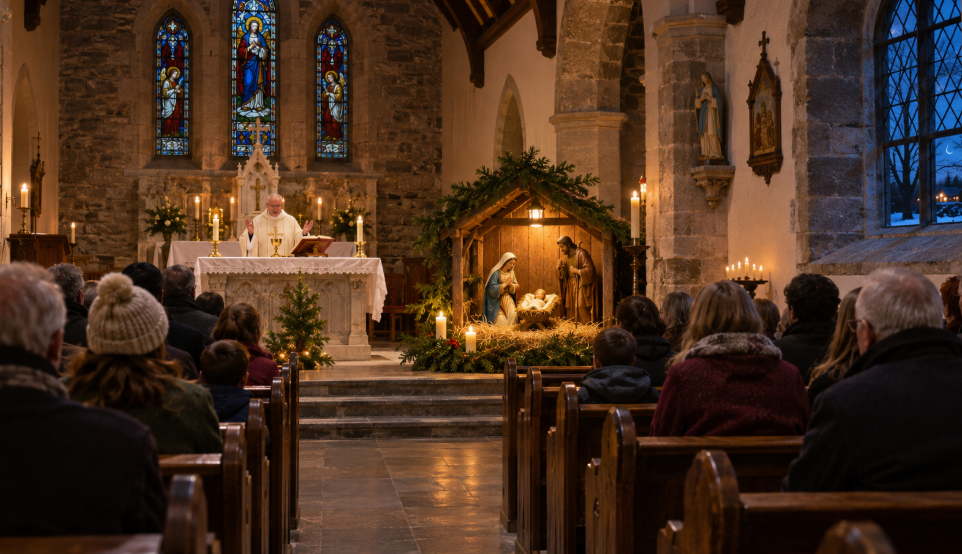
For practising Christians, Christmas Eve or Christmas Day worship can be central to the celebration. Catholic Midnight Mass is one familiar tradition, alongside other denominations’ services. Check the local parish or church schedule: the name alone does not tell you the service’s start time.
The Christmas crib, or Nativity scene, recalls the birth of Jesus. Irish Catholic Bishops’ guidance explains its religious meaning. A household may display a small crib or visit one at church; other households do neither. These practices are part of Ireland’s religious heritage, without defining how every Irish person celebrates.
Santa, Stockings and Christmas Morning
In homes where children are expecting Santa, Christmas Eve can mean hanging stockings and leaving out a treat, with a carrot for the reindeer. First-hand family accounts collected by The Irish Times show how these details vary. They are shared Christmas customs with individual Irish family versions, rather than uniquely Irish rituals.
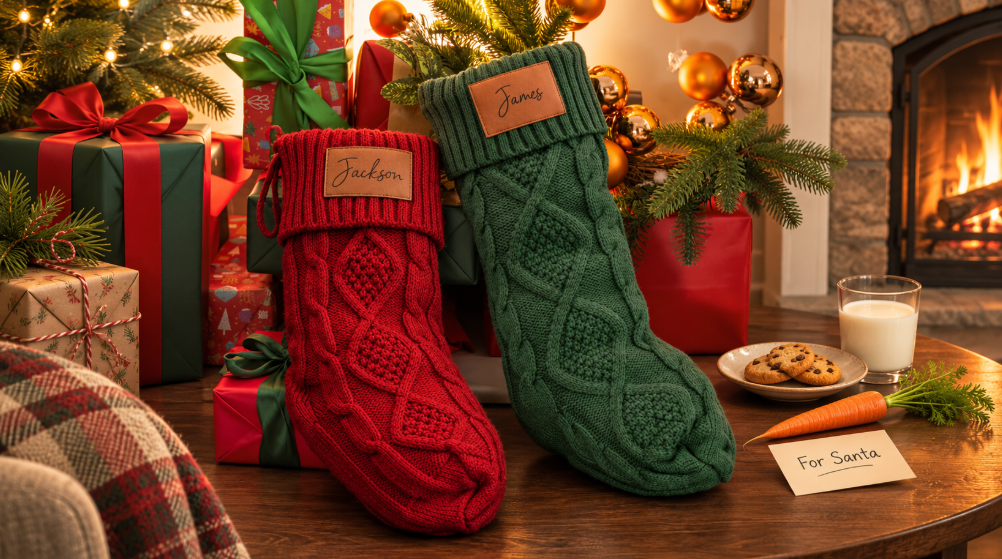
Whether your family says Santa or Santy, keep the arrangements comfortable for the household. A familiar stocking and a quiet moment opening presents can matter more than elaborate new extras. There is no need to suggest that every child receives the same sort of Christmas.

€19.00
View Product
€29.00
View Product
€19.00
View Product
€29.00
View ProductChristmas Dinner, Family Visits and Small Thank-Yous
Turkey with stuffing and a glazed ham are familiar centrepieces, reflected in Bord Bia’s Christmas recipes. Christmas pudding, fruit cake and mince pies also have a place in seasonal food traditions, although preferences vary. Some households choose different dishes or a vegetarian meal.
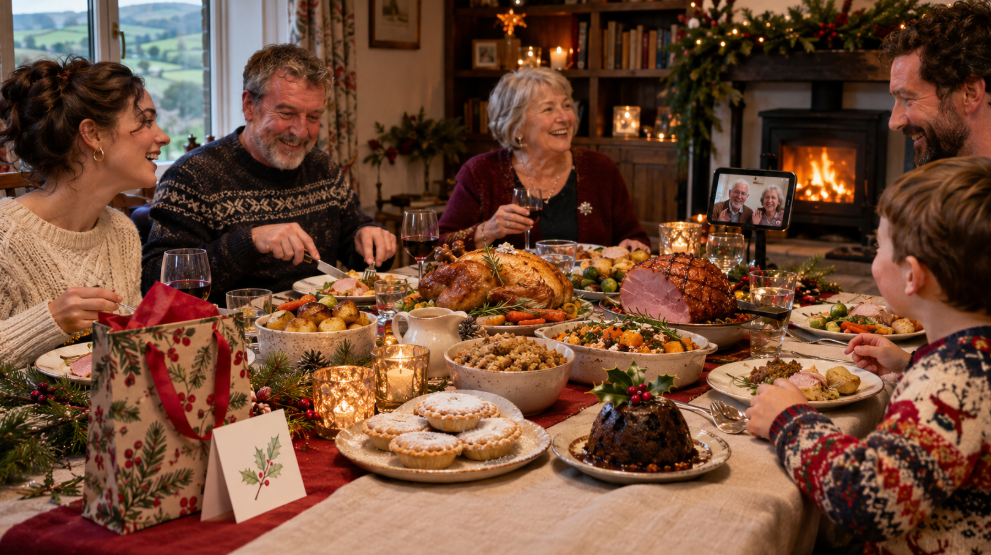
Regional food traditions deserve space too: Tourism Ireland highlights spiced beef’s association with Cork. A family recipe may be just as important to the people eating it. Ask what is being served and what would help before arriving with another dish.
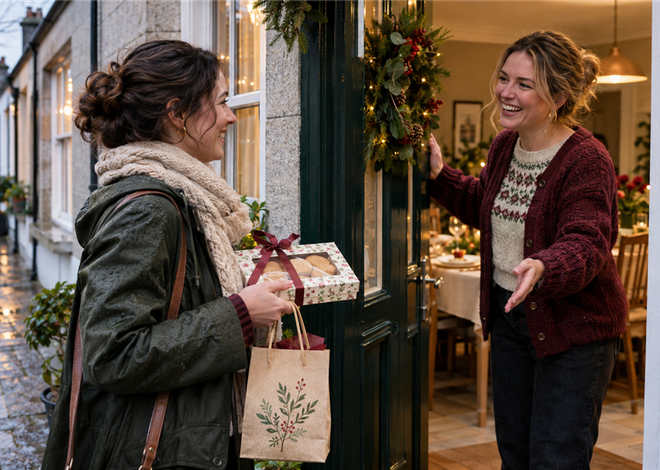
Keep presents and wrapping comfortable for the occasion. Reuse a bag you already have, or choose Christmas gift bags that can be kept for another year. A short handwritten message gives a small thank-you some thought without turning a dinner invitation into an obligation to exchange gifts.

€19.00
View Product
€21.00
View Product
€24.00
View Product
€19.00
View Product
€19.00
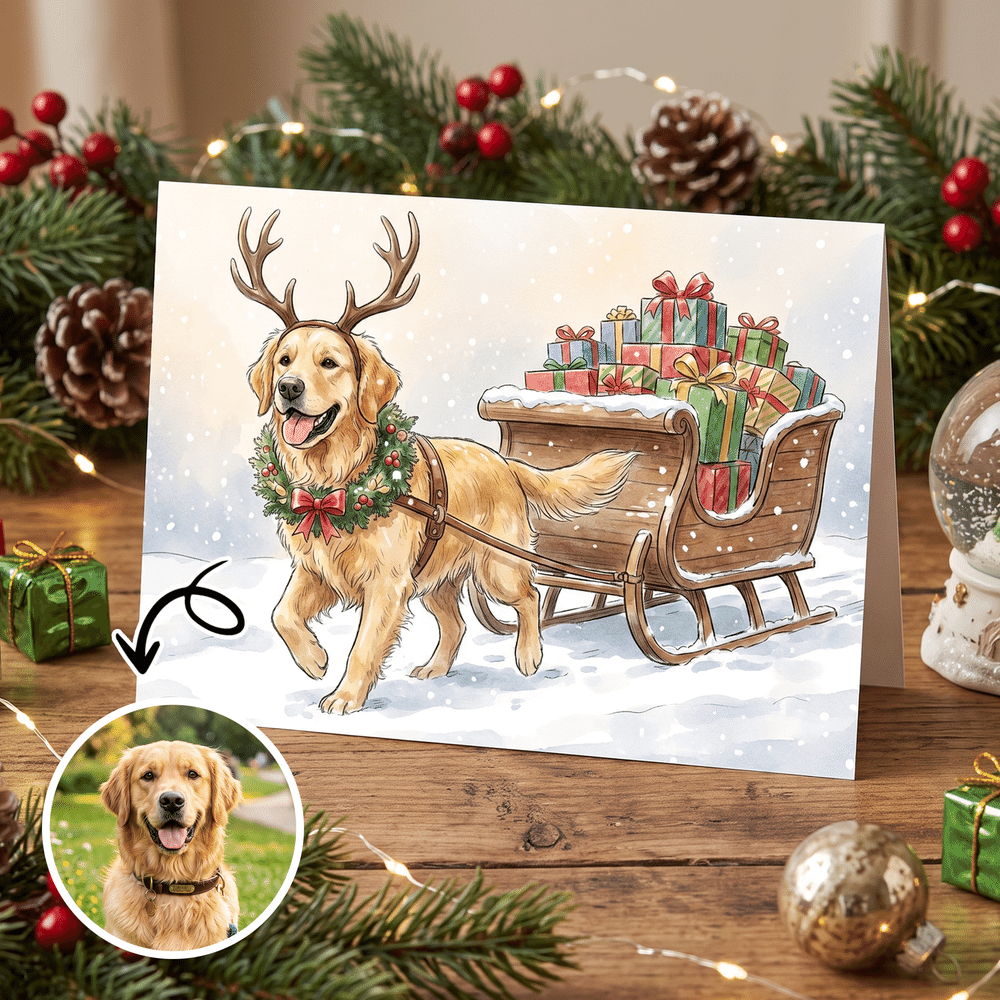
View ProductChristmas cards or e-cards, visits and calls offer ways to include people elsewhere. A short catch-up when everyone can hear one another may work better than passing a phone around while dinner is being served.
€14.00
View Product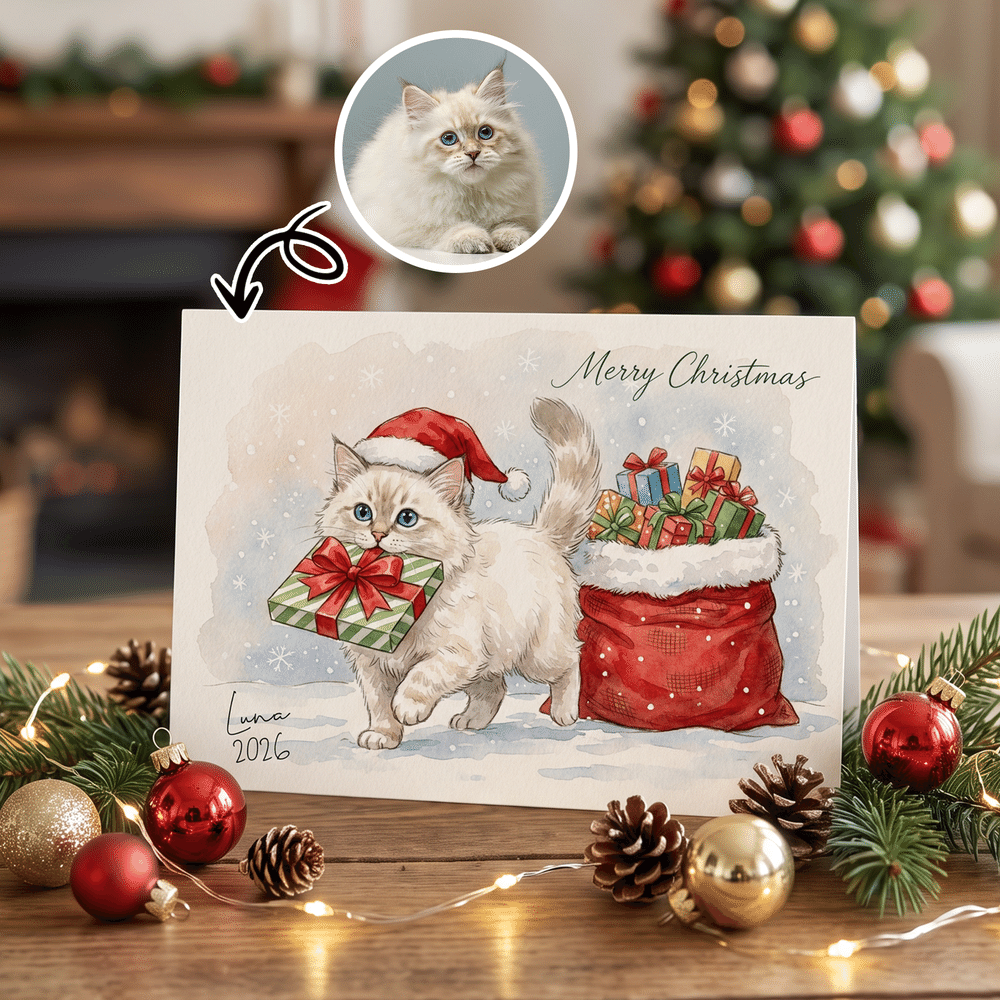
€14.00
View Product
Free
View Product
Free
View ProductThe Christmas Day Sea Swim
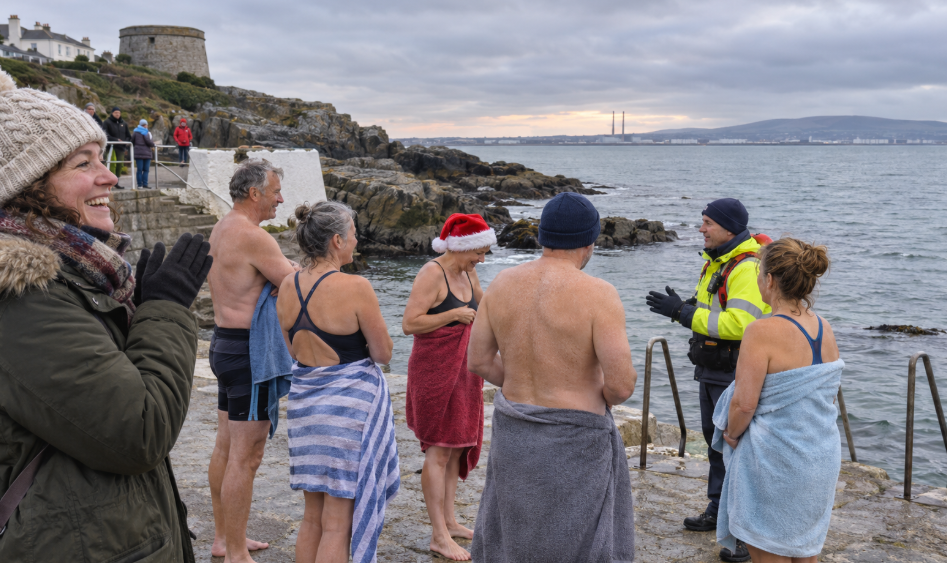
Christmas swims are another part of the season highlighted by Tourism Ireland, with some raising money for charity. The Forty Foot in Sandycove, County Dublin, is among the bathing places it mentions. This is a tradition for some swimmers and coastal communities, rather than something every Irish family does.
If a local swim is part of your plans, check the organiser’s current information and follow its guidance. Do not treat a festive crowd as proof that conditions are suitable. You can support a fundraiser or cheer from an appropriate spot ashore without going into the water.
There is also plenty to be said for knowing which role suits you. Someone has to enjoy the view from inside a warm coat. Let experienced swimmers make their own plans, and resist turning a seasonal dip into a dare.
St Stephen’s Day and the Wren
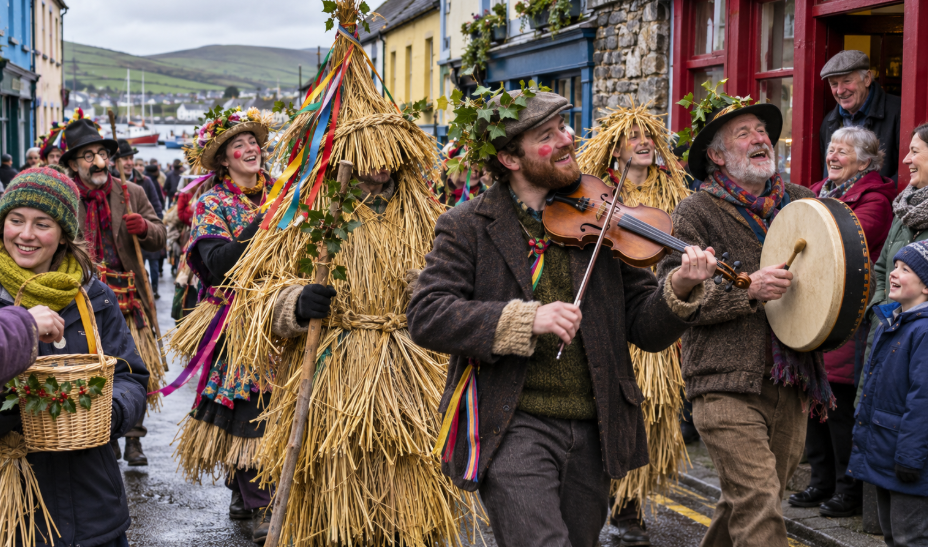
In the Republic of Ireland, 26 December is generally called St Stephen’s Day. In some places it is also the day of the Wren, a custom that should be understood through its local history.
Dingle Peninsula Tourism describes Wren groups parading through Dingle with music, costumes and charity collections. Straw outfits are part of the tradition, alongside other colourful disguises. Its account shows a living community celebration, rather than an activity taking place on every street across Ireland.
The National Museum records an older version involving a real bird. That historical practice should not be confused with a description of a present-day parade.
If you would like to see a Wren celebration, look for current information from the local organisers. Avoid relying on an old event listing for times or routes. Give performers space and follow local arrangements; you are joining a community occasion, not arriving at a display put on solely for visitors.
Mummers and Christmas Plays
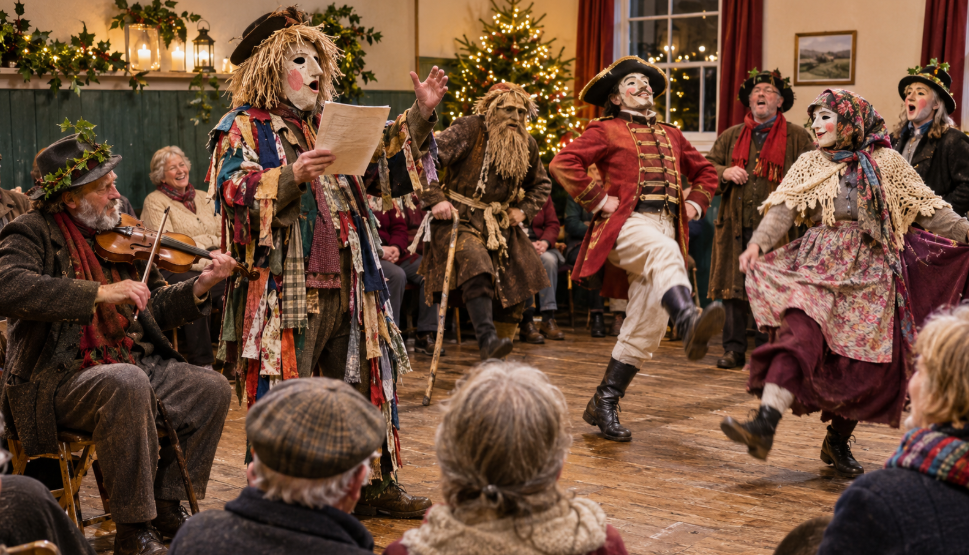
Mumming is another local performance tradition associated with Christmas and winter. The National Museum’s mumming booklet describes a mixture of drama, rhyme, music, song and dance, with masked or disguised performers. It belongs alongside the Wren in a wider account of seasonal performance, but the two should not be treated as interchangeable.
Where a local group keeps the tradition going, follow its own account of the play and community history. Not encountering mummers in your own childhood does not make the custom less real; it shows why regional differences matter.
Nollaig na mBan on 6 January
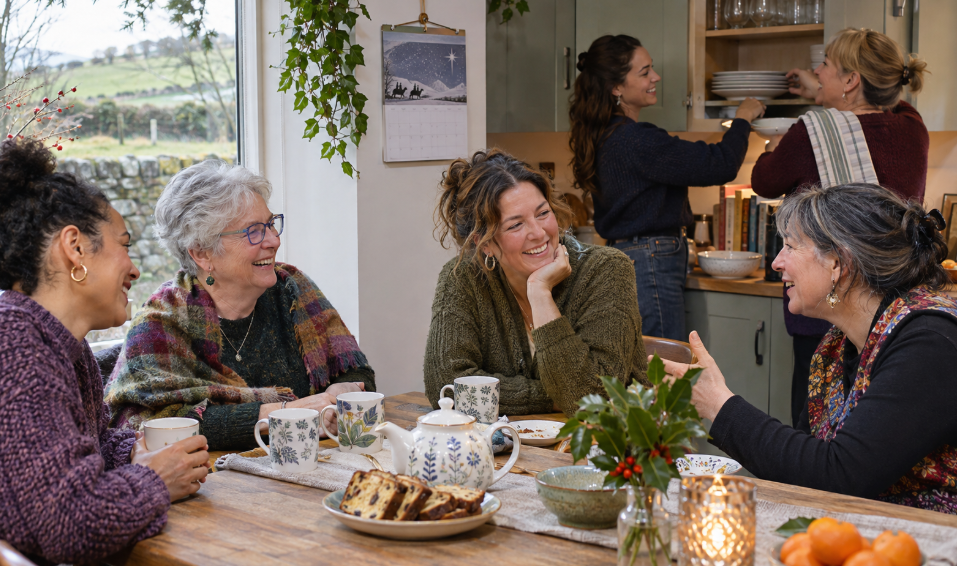
Nollaig na mBan means Women’s Christmas and falls on 6 January, the feast of the Epiphany, also known as Little Christmas. The National Museum connects the custom with women resting while men took over household work. That describes a historical division of labour; it need not be a prescription for a household today.
RTÉ’s January 2026 coverage describes women meeting friends and celebrating companionship, alongside the tradition’s roots in recognising their work over Christmas. A meal out, an afternoon catch-up or tea at home can all give the day meaning. It is not a celebration that every family observes.
If you are making plans, ask what the people involved would actually enjoy. An elaborate lunch is not much of a break for the person left arranging it. Share the organising and clearing up, keep the cost comfortable, and make room for anyone working or caring for someone that day.
FAQs About Christmas Traditions in Ireland
What date is Christmas in Ireland?
Christmas 2026 will be on Friday, December 25, 2026.
How to say Merry Christmas in Irish?
“Merry Christmas” in Irish is Nollaig Shona, pronounced roughly “NUL-ig HUN-uh.” Plus, say Nollaig Shona duit to one person, or Nollaig Shona daoibh to a group.
Does everyone celebrate these traditions?
No. A custom can be well known without being part of every household’s Christmas. Ask about the particular family or place rather than assuming a window candle, religious service, swim or Wren celebration will be involved.
When do Christmas decorations come down?
The National Museum records a traditional belief against taking decorations down before 6 January. Today, the timing is a household choice. If you enjoy keeping them up until Little Christmas, do; travel, work and practical arrangements may mean another date suits you better.
Can you mark Women’s Christmas without going out?
Yes. Invite someone for tea, arrange a call or keep an afternoon free together. Make the plan manageable for everyone, including the person hosting. The occasion does not require a restaurant booking or a present.
Conclusion
Whether you’re spending Christmas with family, joining friends or welcoming someone new, knowing the stories behind these traditions can make the season feel more meaningful. Ask a relative about a treasured Christmas decoration, or find out how a local festive custom began. If you’re looking for Christmas ideas, choose something that makes your plans easier rather than adding another job to December.
Leave room for different beliefs, budgets and energy levels. For one household, it might be the candle in the window; for another, a familiar meal, a visit or a January catch-up. Keep what brings people together, let your celebrations change with the people around you, and put the kettle on when everyone arrives.